
Is a CT Scan Necessary for Dental Implants in Ireland?
If you are considering dental implants, you may be told that a CT scan (CBCT scan) is required before treatment begins. Many patients ask:
Is a CT scan really necessary?
Is it safe?
How much radiation does it involve?
What happens if I don’t have one?
In modern implant dentistry, a CBCT scan is one of the most important steps in ensuring accurate planning, long-term stability, and patient safety.
Simple rule to remember - NO CT Scan means NO Dental Implants.
What does a CT Scan actually do?
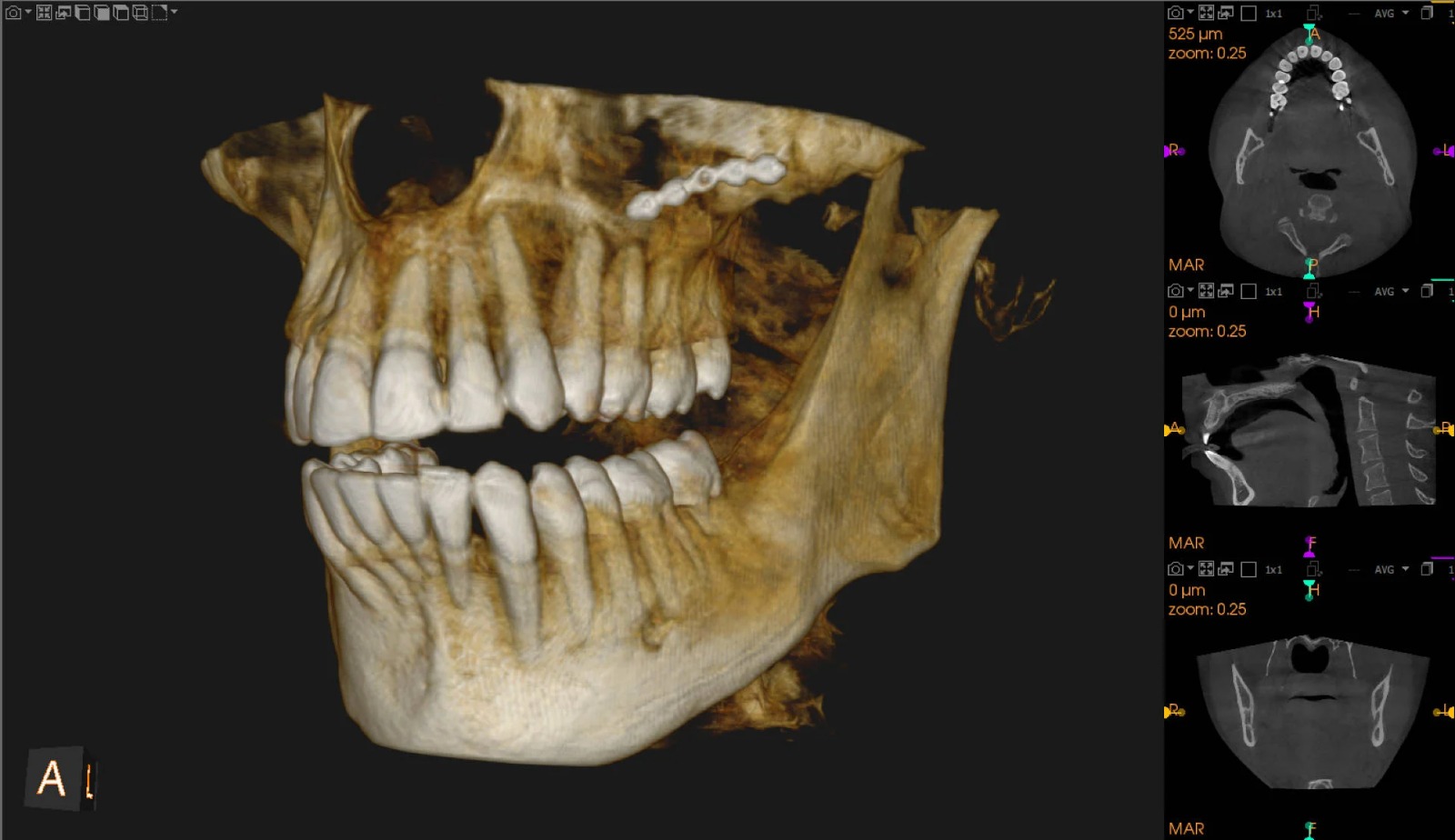
A CBCT scan provides:
3D imaging
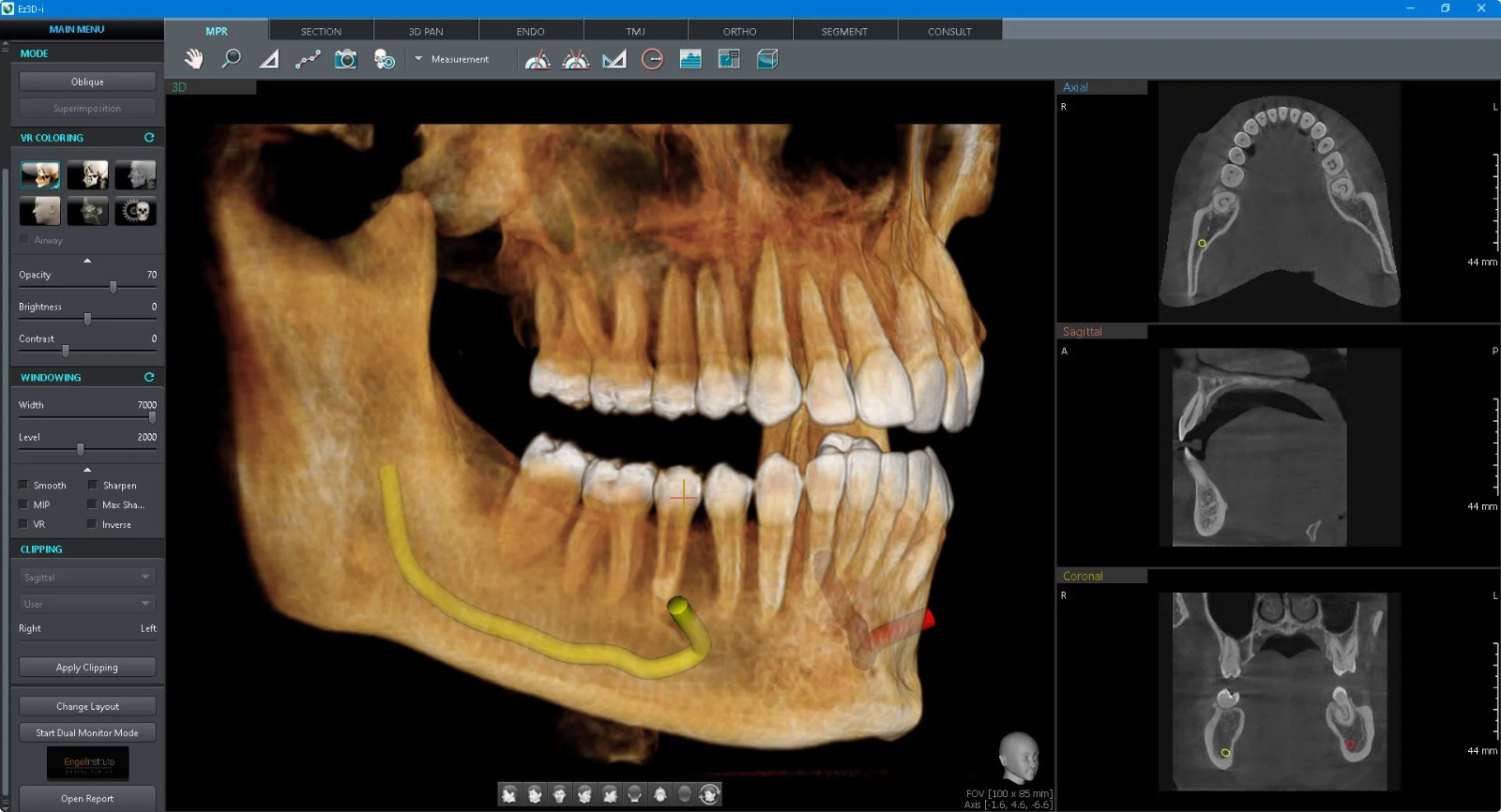
Our Dentists use a CT scan to assess bone density.
CT scan planning guides implant placement
Full anatomical mapping
This information helps our dentists place implants safely and accurately. Without detailed imaging, implant placement can involve unnecessary risks, particularly when bone levels are limited.
Transparent Pricing
Quick, Clear, and Competitively Priced – Dental CT Scan and Full Review with Treatment Plan for €200.00
Why Is a CT Scan Required Before Dental Implants?
Dental implants must be placed within the jawbone with millimetre accuracy. A CBCT scan enables our dentists to:
Measure bone availability precisely
Avoid important nerves and blood vessels
Assess sinus anatomy
Plan ideal implant angulation
Reduce surgical risks
Without 3D imaging, implant placement is almost impossible and no professional would place implants without a CT Scan.
Simple rule to remember - NO CT Scan means NO Dental Implants
Secure, Natural, and Built to Last
Frequently Asked Questions About CT Scans for Dental Implants
How much radiation is in a dental CT scan?
Dental CBCT scans use low-dose radiation and are significantly lower than medical CT scans.
Is a CBCT scan painful?
No. The scan is quick, non-invasive, and painless.
Can implants be placed without a CT scan?
No professional would risk placing dental implants without a CT Scan to plan the treatment
How long does the scan take?
The scanning process typically takes less than one minute.
- YOUR QUESTIONS, ANSWERED
Frequently Asked Questions
Its true a lot of people are talking about dental implants as the solution for people who need a tooth replaced. The dental implant itself is a titanium screw which is placed into the jaw in the are of the missing tooth, the dental implant will then have a post placed into it and after this a porcelain crown will be placed over the post and the tooth will then have been fully replaced by what people refer to as a dental implant.
Your dental implant dentist will give you a full dental checkup to make sure you are suitable for the dental implant procedure. This will include a CT Scan so the dentist can make sure you have enough bone to accept the dental implant.
Once your suitabity is ascertained by the dental implant dentist the next step will be to choose the correct type and size of implant you require. When Replacing a Single Tooth, a single implant, single post and single crown will replace the missing tooth.
In short the answer is yes there are different types of dental implants. The most common dental implant is the titanium screw type dental implant which is placed into the jaw. Each of these dental implants will support one tooth or the dental implant dentist, like our IDC registered dentists, will place several dental implants and then fit a bridge over the dental implants. This will usually save the patient money on the procedure.
Not everyone is suitable for dental implants. The ideal patient for dental implants will be in good general health and have good oral health. Next the patient will need adequate bone to support the dental implant and ideally have healthy gums and be free of periodontitis. Patients who have diabetes, heart disease or patients that are being medicated with blood thinning drugs are not considered good prospects for dental implant surgery.
The placing of Dental Implants is a surgical procedure so dental implant dentists like Dr Luana O’Connor are very careful in the pre-surgical to make sure the patient is ideal for dental implants.The placing of dental implants should only be undertaken by a dentist who has had the training to perform this procedure.