
Implant Info Hub
Single Tooth Implant vs Dental Bridge: Which Is Right for You?

Why Patients Compare Implants and Bridges
If you’re missing a single tooth in Ireland, you’ll often be presented with two main options: a single tooth dental implant or a traditional dental bridge. Both restore your smile, but they work in very different ways.
This guide explains the key differences in cost, function, aesthetics, and longevity so you can make an informed choice.
What Is a Single Tooth Implant?
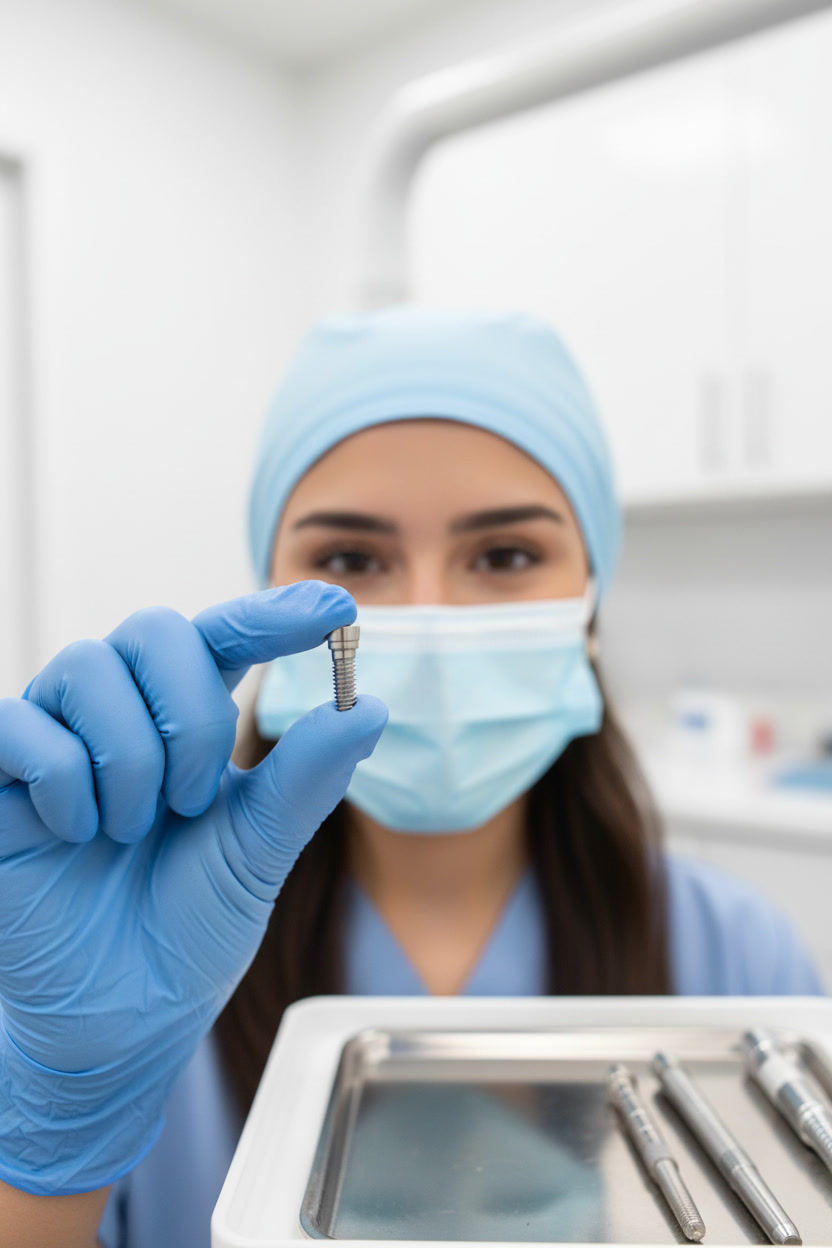
A single tooth implant is a permanent replacement for one missing tooth, consisting of:
- Implant (titanium root): Surgically placed into the jawbone.
- Abutment (connector): Links implant to the crown.
- Crown (artificial tooth): Always zirconia colour-matched to surrounding teeth.
Once healed, the implant functions almost identically to a natural tooth.
What Is a Dental Bridge?
A dental bridge is a restoration that replaces a missing tooth by using the adjacent teeth for support.
- The healthy teeth on either side are reshaped to hold crowns.
- A false tooth (pontic) is anchored between them.
- The bridge is cemented in place, filling the gap.
Bridges have been used for decades and remain an option where implants may not be suitable.
Single Tooth Implant vs Bridge: A Side-by-Side Comparison
| Feature | Single Tooth Implant | Dental Bridge |
|---|---|---|
Longevity |
20+ years (often lifetime with care) | 7–10 years average |
Effect on Neighbouring Teeth |
No damage — leaves surrounding teeth intact | Adjacent teeth must be filed down |
| Bone Health | Preserves bone by stimulating jaw | Bone under missing tooth may shrink |
| Aesthetics | Natural look, blends seamlessly | Good aesthetics but may not age as well |
| Cost (Ireland) | €1,600.00 (implant + crown) | €2100.00 (3-unit bridge) |
| Maintenance | Brushed/flossed like natural tooth | Special flossing/cleaning needed under bridge |
| Durability | Highly reliable with proper care | Risk of damage if supporting teeth decay |
Why a Single Tooth Implant?
- ✅ Preserves natural teeth – no drilling of healthy teeth.
- ✅ Prevents bone loss – keeps jaw strong and stable.
- ✅ Long-term value – while more expensive upfront, it lasts longer.
- ✅ Feels like a natural tooth – strong for chewing, speaking, and smiling.
Why a Dental Bridge?
- ✅ Lower upfront cost compared to an implant.
- ✅ Faster treatment time – usually 2 visits.
- ✅ Option when bone is insufficient for an implant and grafting isn’t desired.
Disadvantages of Each
Implant
- Higher initial cost.
- Requires minor surgery and healing time.
Bridge
- Damages healthy teeth.
- Bone loss continues under the missing tooth.
- Shorter lifespan → may require replacement, increasing long-term costs.
The Process: How Your Options Are Confirmed
- Consultation
- During your first visit, the dentist will assess your mouth and provide a written quotation for both options where possible.
- CT Scan (for implants)
- If you are considering an implant, a 3D CT scan is carried out to assess bone density and confirm suitability.
- Treatment Plan
- After the CT scan is reviewed, you’ll receive a personalised treatment plan outlining whether an implant or bridge is recommended, with final costs included.
This ensures patients have a clear understanding of the benefits, risks, and costs of each solution before making a decision.
Cost Comparison in Dublin
- Single Tooth Implant (implant + abutment + crown): €1,600.00
- Three-Unit Bridge: €2,100.00
💡 While a bridge may appear cheaper upfront, it often needs replacement every 7–10 years. A well-maintained implant can last decades, making it more cost-effective in the long run.
FAQs About Implants vs Bridges
Which option looks more natural?
Both can look natural, but implants are more lifelike since they emerge from the gum like a real tooth.
Which option lasts longer?
Implants can last 20+ years; bridges typically last 7–10 years before replacement is needed.
Do implants hurt more than bridges?
Implants involve minor surgery, but discomfort is usually minimal and short-lived. Bridges require no surgery but involve drilling healthy teeth.
What if I can’t afford an implant right now?
A bridge can be a good interim solution, and finance options are available for implant treatments in Dublin.
Why Many Patients in Ireland Choose Implants Over Bridges
While both treatments restore your smile, implants are generally seen as the gold standard because they:
- Protect bone health
- Do not damage surrounding teeth
- Offer a long-term solution
- Provide superior strength and appearance
Bridges still have their place, especially when budget or medical factors are limiting. But when possible, most patients choose implants for their durability and natural feel.
Why Dental Implants Ireland Is a Great Place for Implant & Bridge Treatments
Patients in Ireland benefit from:
- Clinic offering both options with clear comparisons
- Access to advanced CT scanning and implant technology
- Transparent written quotations at consultation
- Personalised treatment plans after CT scan review
- Skilled dental teams focused on long-term outcomes
If you’re missing a tooth, the best way to decide between a dental implant and a bridge is to book a consultation. You’ll receive a written quotation, and after your CT scan, a personalised treatment plan will confirm the right solution for your smile.
📞 Call 01 557 7740 or visit www.dental-implants-ireland.com to book your consultation today.